Managing Stress in Young School Children in Uganda
March 5, 2026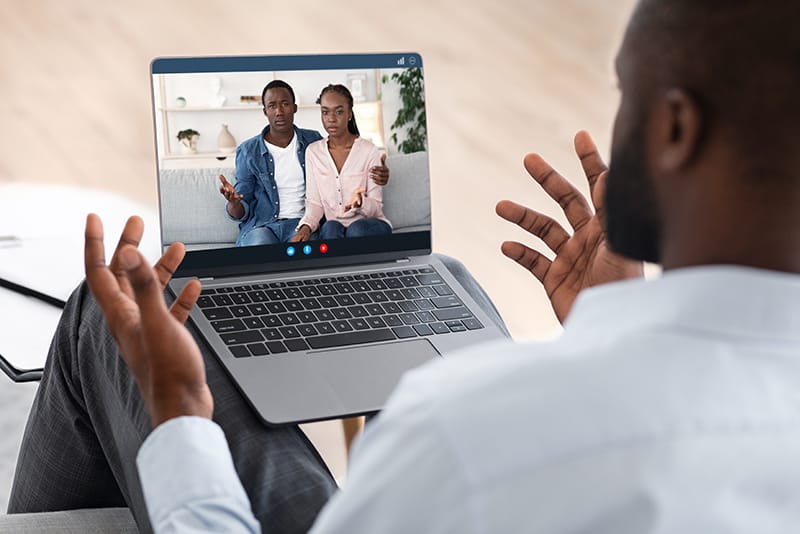
In recent years, the way people access mental health support has changed significantly. With advancements in technology and the growing need for accessible care, online therapy has become an increasingly common and accepted form of psychological support around the world. More people are discovering that professional help is no longer limited to visiting a physical office; support can now be accessed from the comfort of home.
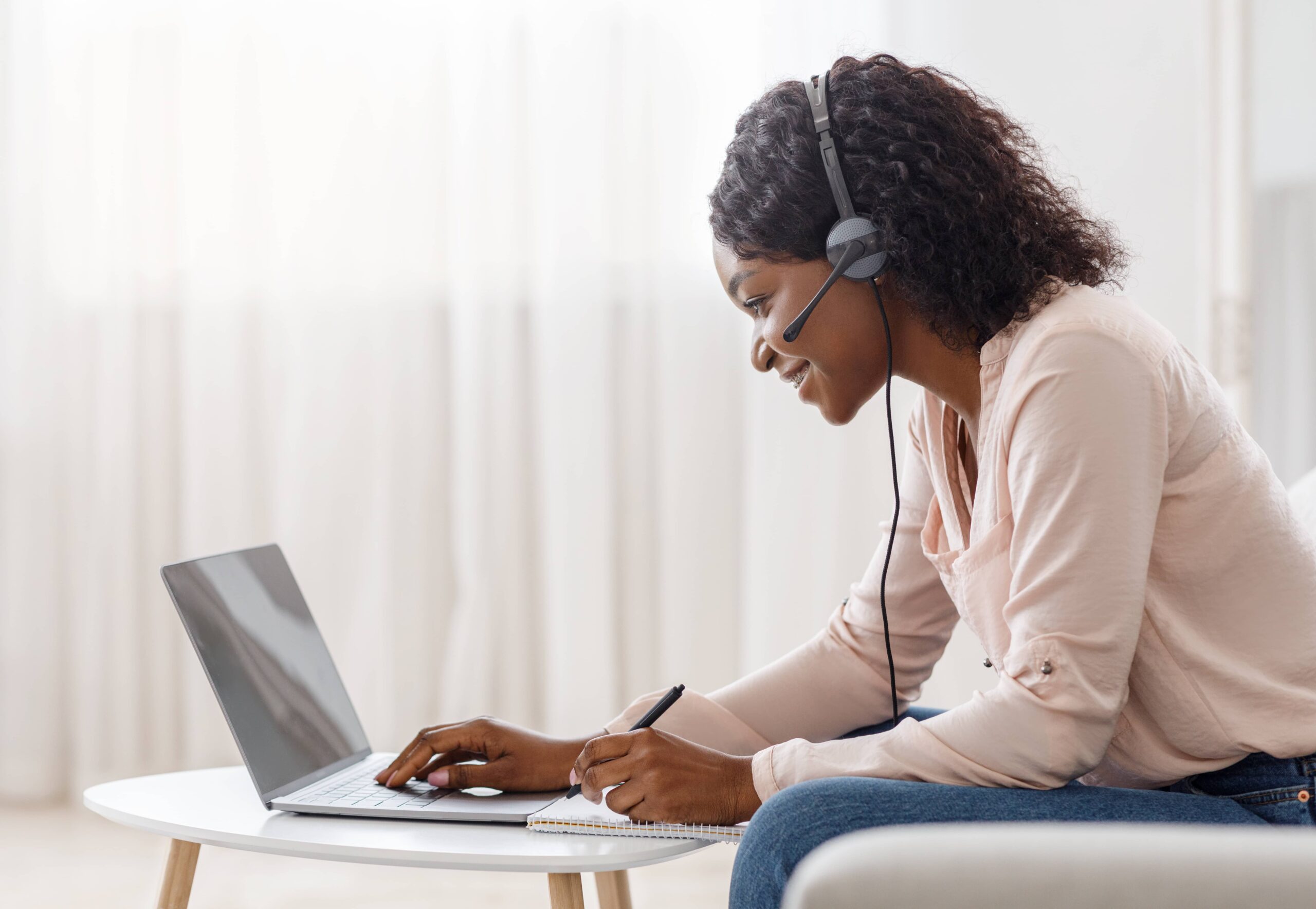
Online therapy, sometimes called teletherapy or virtual counseling, allows individuals to speak with a therapist through digital platforms such as video calls, phone calls, or secure messaging. Platforms like Zoom, Google Meet, and other online communication tools have made it possible for therapists and clients to connect regardless of distance.
One of the main reasons online therapy is growing worldwide is accessibility. Many people live in areas where mental health services are limited or difficult to reach. Others may have demanding schedules, transportation challenges, or personal responsibilities that make it difficult to attend in-person sessions. Online therapy removes many of these barriers, allowing individuals to receive support from wherever they are.
Another important advantage of online therapy is privacy and comfort. For some individuals, visiting a therapy office may feel intimidating or uncomfortable, especially in communities where mental health is still surrounded by stigma. Online sessions allow clients to speak openly from a private and familiar environment, which can make it easier to share personal experiences and emotions.
The global shift toward online services was also accelerated during recent global health crises, when many professionals and healthcare providers had to move their services online. Since then, both therapists and clients have realized that virtual sessions can be just as effective as in-person support for many types of emotional and psychological challenges.
Today, people across different countries and cultures are embracing online therapy as a practical and flexible way to care for their mental wellbeing. It has also made it easier for individuals living abroad to connect with professionals who understand their cultural background and experiences.